Arc Blow on DC Stick? Fix Arc Wander Before You Blame Rods
If your stick arc suddenly “pushes” off the joint, won’t stay in the corner, or starts undercutting one side no matter how steady your hands are, you’re likely fighting arc blow. The cost is real: you burn rods, grind out bad beads, and chase amperage when the problem is magnetic force and current path.
This post is a practical, shop-floor checklist to identify arc blow on DC stick and correct it fast. We’ll use a stable low-hydrogen baseline rod as the reference point, then walk through the grounding and technique changes that usually fix the problem.
Featured Product Quick Take
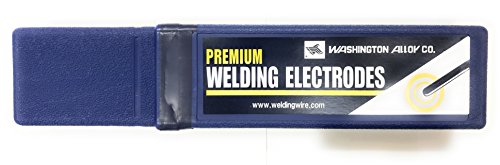
- Name: Washington Alloy 7018 Stick Electrode 5LB Package (7018 1/8")
- SKU: 7018605
- Price: Unknown (Verify)
- What it fixes: gives you a consistent, low-hydrogen 7018 baseline so you can diagnose whether the "wandering arc" is arc blow (magnetism/current path) versus a rod/technique issue.
- Why it matters: troubleshooting is faster when you remove variables. A known, consistent electrode helps you confirm the real root cause and get back to repeatable bead placement.
- •Brand: Washington Alloy Co. (product page)
- •SKU: 7018605 (product page)
- •Electrode classification: 7018 (product title)
- •Diameter: 1/8" (product title)
- •Package weight: 5LB (product title)
- •Recommended amperage range: Unknown (Verify)
- •Polarity: Unknown (Verify)
- •Storage requirements (low-hydrogen handling): Unknown (Verify)
Low-hydrogen electrodes have handling requirements. Follow the manufacturer's guidance for storage and reconditioning where applicable.
What This Fix Solves
- •Arc that deflects to one side of the joint (especially at ends and corners)
- •Bead that won't stay in a fillet corner even with correct travel angle
- •Sudden undercut on one toe while the other toe piles up
- •Starts that feel normal, then the arc "walks away" mid-bead
- •Excessive spatter and unstable puddle on DC that improves when you reposition the ground
Root Cause Breakdown
- Magnetic field concentration at ends/corners: Steel can concentrate magnetic fields at the end of a joint, inside corners, and around tacks. On DC, the magnetic field can physically deflect the arc column, pulling it off the joint.
- Work lead (ground) location creates an uneven current path: Where you clamp matters. If current is "flowing past" the weld in a way that stacks magnetic force to one side, the arc will consistently push away from the direction of current flow.
- Residual magnetism in the part: Parts that were lifted with magnets, stored near magnetic tools, or previously welded heavily can hold residual magnetism. That magnetism adds to the welding current's magnetic field and makes arc blow worse.
- Long arc length and excessive amperage amplify deflection: A longer arc is less stable and easier to push around. Running hotter than needed can increase arc force and make the deflection more obvious.
- Joint fit-up and tack placement create "magnetic choke points": Tacks, gaps, and abrupt changes in section thickness can change current density and magnetic field distribution, which can trigger arc blow right where you need control most.
The Fix (Actionable Steps)
- Confirm you're on DC and note where it happens. Arc blow is most common on DC and often shows up at the end of a weld, near corners, or when welding toward the work clamp.
- Move the work clamp (fastest win). Place the clamp as close to the weld as practical. If the arc is blowing away from the clamp, try moving the clamp to the opposite side of the joint.
- Change weld direction relative to the clamp. If possible, weld away from the work clamp instead of toward it. Many operators see immediate improvement with no other changes.
- Shorten arc length and tighten technique. Run a tighter arc and keep the rod angle consistent. A short arc is harder for magnetic force to deflect.
- Use a stable baseline electrode to reduce variables. Run a known, consistent 7018 (like the featured 1/8" 7018) on clean steel so you can separate "rod behavior" from arc blow behavior.
- If you suspect residual magnetism, reduce it before you weld. Remove magnetic clamps from the immediate area and reposition the part. If the job is critical and arc blow is severe, consult a qualified shop/tech about demagnetizing methods appropriate for the part.
Note: Arc blow is physics-driven. These steps address the most common causes in shop environments. For critical or code work, consult your WPS and a qualified welding engineer.
Key Specs / Fitment Notes (Bullets Only)
- •Product: Washington Alloy 7018 Stick Electrode 5LB Package (7018 1/8") (product title)
- •Brand: Washington Alloy Co. (product page)
- •SKU: 7018605 (product page)
- •Electrode classification: 7018 (product title)
- •Diameter: 1/8" (product title)
- •Package weight: 5LB (product title)
- •Recommended amperage range: Unknown (Verify)
- •Polarity: Unknown (Verify)
Before You Order Checklist
- Machine: welder make/model (AC/DC capability)
- Process: Stick (SMAW)
- Material: mild steel / unknown alloy (verify)
- Thickness: typical thickness range you weld
- Consumables: current electrode type/size you're using
- Torch/gun: electrode holder type + cable condition
- Gas: N/A for stick welding (confirm you're not mixing processes)
Fastest confirmation: call 812-738-4344 with your machine model (AC/DC), electrode size, and typical thickness.
Recommended Accessories (Priority Order)
Comparison Block (Alternatives)
Good "baseline" rod for diagnosing arc behavior on clean steel; stable arc helps you see whether the deflection is magnetic.
Often used for dirty steel/root passes; can feel more aggressive. If arc blow is present, it can still wander — fix grounding first.
Can reduce arc blow symptoms in some cases, but it's not always an option and may change your procedure. Treat as a last-step option after clamp placement and technique.
Safety Note
Arc blow troubleshooting often involves moving the work clamp and changing cable routing. De-energize equipment when repositioning clamps, keep cables clear of hot work, and never bypass safety devices. Low-hydrogen electrodes have handling requirements — follow the manufacturer’s guidance for storage and reconditioning where applicable.
Add to Cart — or Confirm Fitment First
Add the Washington Alloy 7018 (1/8", 5LB) to your cart for a consistent baseline rod. Not sure? Call 812-738-4344 with machine model + process + thickness.