CO2 Regulator Freezing Up? The Root Causes (and the Fix That Stops Flow Dropouts)
CO2 regulator freeze-up is one of those problems that looks like a welding settings issue — until you notice the timing. The first bead looks fine, then 20–30 minutes later you start seeing porosity, spatter spikes, and an arc that feels inconsistent. The hidden cost is downtime and rework: you burn tips, grind out defects, and keep adjusting voltage and wire speed when the real issue is shielding gas delivery.
This problem shows up repeatedly in real-world shop troubleshooting because it is physics-driven: CO2 cools rapidly as it expands through the regulator. Under sustained flow, that cooling can create icing that restricts gas delivery.
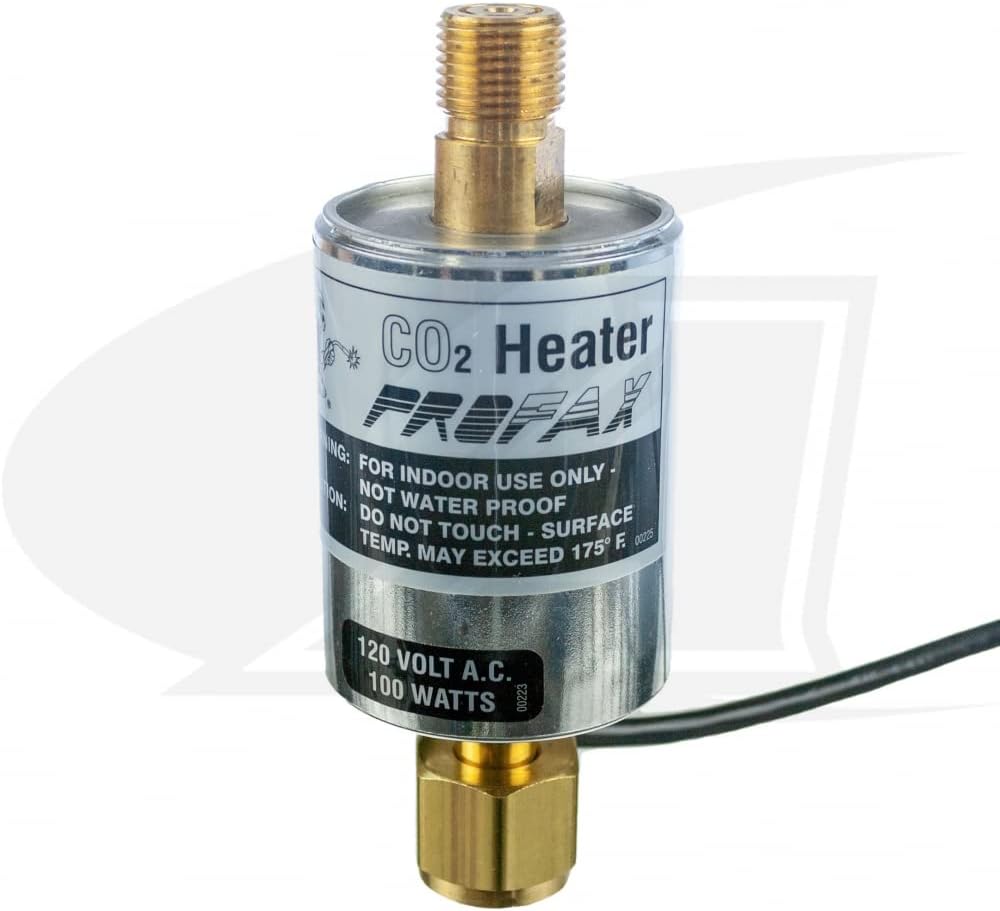
Featured Product Quick Take
- Name: Profax PXCO2Heater, CGA-320 in/out, CO2 Heater 115V, Pack of (1)
- SKU: CO2HEATER
- Price: Unknown (Verify)
- What it fixes: CO2 regulator freeze-up (icing) that causes unstable shielding gas flow, pressure/flow dropouts, and weld defects during longer MIG runs.
- Why it matters: when CO2 flow becomes inconsistent, you get porosity, spatter spikes, and rework. A heater stabilizes gas temperature and helps keep flow consistent so you stop chasing settings and burning consumables.
- •Brand: Profax (product page)
- •SKU: CO2HEATER (product page)
- •Gas connection: CGA-320 in/out (product title)
- •Voltage: 115V (product title)
- •Pack size: 1 (product title)
- •Wattage / amp draw: Unknown (Verify)
- •Duty cycle / max flow: Unknown (Verify)
Fitment note: this is listed as CGA-320 in/out (CO2). Confirm your cylinder inlet is CGA-320 and verify your regulator/hose setup before ordering.
What This Fix Solves
- —Shielding gas flow that starts fine, then drops off mid-weld or mid-shift
- —Porosity that appears after you have been welding for a while (not on the first bead)
- —Spatter and arc instability that comes and goes with longer CO2 draw
- —Regulator body or fittings frosting/icing during high gas demand
- —Downtime from stopping to wait for the regulator to thaw
Root Cause Breakdown
- CO2 phase change cooling (normal physics, bad outcome): When CO2 expands through the regulator, it cools rapidly. Under sustained flow, that cooling can drop temperatures enough to form ice/frost on the regulator body and internal passages.
- High flow demand over time: Long welds, higher wire speeds, or multiple stations pulling from the same cylinder increase CO2 draw. The longer the draw, the more likely icing becomes.
- Regulator/flow device not sized for the application: Some regulators handle intermittent use well but struggle under sustained flow. If the device cannot maintain stable delivery, you see the symptom as porosity and arc instability.
- Cold ambient conditions: In colder shops or outdoor work, the regulator starts closer to freezing. It takes less cooling to reach icing conditions.
- Mistaking flow problems for settings problems: When the arc gets unstable, most people change voltage/WFS. If the real issue is gas delivery, those changes waste time and can make spatter worse.
The Fix (Actionable Steps)
- Confirm you are actually on CO2 (cylinder label) and confirm the cylinder inlet connection type (CGA-320 for CO2).
- Watch for the pattern: welds start fine, then defects appear later. That timing is a key clue for freeze-up.
- Inspect for visible frosting/icing on the regulator body or fittings during sustained welding.
- Leak-check the system (cylinder to regulator to hose) so you are not confusing a leak/pressure drop with icing.
- Install a CO2 heater (like the Profax PXCO2Heater) to stabilize temperature and reduce freeze-up during sustained flow.
- Re-test on scrap with the same joint and technique. If defects persist, verify gun consumables and base-metal prep before changing settings.
Note: We are not publishing fixed CFH numbers here because flow depends on nozzle size, stickout, draft conditions, and process. The goal is to stabilize delivery first.
Key Specs / Fitment Notes (Bullets Only)
- —Product: Profax PXCO2Heater (product title)
- —SKU: CO2HEATER (product page)
- —Gas connections: CGA-320 in/out (product title)
- —Power: 115V (product title)
- —Mounting/installation details: Unknown (Verify)
- —Electrical requirements (plug type, amps): Unknown (Verify)
Before You Order Checklist
- Machine: welder make/model
- Process: MIG (solid wire) or flux-core (verify)
- Material: mild steel / stainless / other (verify)
- Thickness: typical thickness range
- Consumables: wire diameter + contact tip size + nozzle condition
- Torch/gun: gun model + consumable family
- Gas: 100% CO2 vs mix + cylinder CGA (CGA-320 for CO2)
Fastest confirmation: call 812-738-4344 with your cylinder CGA (CO2 = CGA-320), process, and typical thickness.
Recommended Accessories (Priority Order)
Comparison Block (Alternatives)
Best when you see icing/frosting during sustained flow. Stabilizes temperature and helps maintain consistent delivery.
Best when your regulator is mismatched or unstable. Still may ice under high draw; heater can be the next step.
Usually wastes time. If flow is dropping, settings changes will not fix the root cause and can increase spatter.
Safety Note
Compressed gas equipment is safety-critical. Secure cylinders, keep regulators protected from impact, and leak-check connections with an approved leak-detection solution. Do not force mismatched CGA fittings. If you see damaged threads, regulator creep, or persistent leaks, stop and have the equipment inspected by a qualified technician.
Add to Cart — or Confirm CGA-320 Fitment First
Add the Profax PXCO2Heater to your cart to reduce CO2 freeze-up and stabilize flow during sustained welding. Not sure it matches your CO2 cylinder/regulator setup? Call 812-738-4344 with machine model + process + thickness.