Weld Cracking on Thick Steel? Preheat Before You Blame the Rod
When a weld cracks on thick steel, the first instinct is to blame the rod, the settings, or the technique. You grind it out, re-weld, and it cracks again — sometimes in the exact same spot. Across welding forums and real shop troubleshooting, the pattern is consistent: cracking on thick mild steel that was welded cold is almost always a cooling-rate problem, not a consumable or technique problem.
The cost is significant. Every crack means grinding, re-welding, and lost time. On critical joints, it can mean scrapping the assembly. The fix is straightforward but often skipped because it takes time: preheat the base metal before you weld. A rosebud heating tip is the standard tool for this in most shops.
Featured Product Quick Take
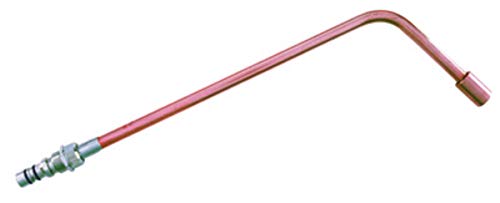
- Name: Miller Smith Style ST605 Acetylene Heating Tip, Package Size: 1 Each
- SKU: ST605 - 1 EACH
- Price: Unknown (Verify)
- What it fixes: cold cracking in thick mild steel caused by rapid cooling after welding — the most common reason welds crack on material over 1/2" that was not preheated.
- Why it matters: cracking means grinding out the entire weld and starting over. Preheating with a rosebud tip slows the cooling rate, reduces hydrogen-related cracking risk, and gives you a stronger joint the first time.
- •Brand: Miller Electric Manufacturing (product page)
- •Product: Smith Style ST605 Acetylene Heating Tip (product title)
- •SKU: ST605 - 1 EACH (product page)
- •Fuel gas: Acetylene (product title)
- •Tip size/series: ST605 (product title)
- •BTU rating: Unknown (Verify)
- •Torch body compatibility: Smith-style (Unknown — Verify exact torch body model)
- •Pack size: 1 Each (product title)
Heating tips are torch-body specific. Confirm your torch body accepts Smith-style ST-series tips before ordering. If anything is unclear, treat it as Unknown (Verify).
What This Fix Solves
- •Cracks that appear in thick steel welds hours or days after welding (delayed cold cracking)
- •Transverse cracks across the weld bead on material over 1/2"
- •Root cracks or toe cracks on fillet welds in heavy plate
- •Repeat cracking even after grinding out and re-welding the same joint
- •Hydrogen-related cracking on steel that was welded cold in a shop or field environment
Root Cause Breakdown
- Rapid cooling rate on thick material: Thick steel acts as a massive heat sink. The weld cools too fast, which locks in residual stress and can trap hydrogen in the heat-affected zone. The result is cracking — sometimes immediately, sometimes hours later.
- Hydrogen trapped in the weld zone: Moisture on the base metal, contaminated electrodes, or humid conditions introduce hydrogen into the weld. When the joint cools rapidly, hydrogen cannot escape and creates internal pressure that leads to cracking.
- High restraint joints: When the joint cannot move or flex (heavy assemblies, tacked-in-place corners, thick flanges), residual stress from cooling concentrates at the weld and can exceed the material's ability to stretch without cracking.
- Skipping preheat on material that requires it: Many welders skip preheat because it takes time. On thin material, you can often get away with it. On thick mild steel (generally over 1/2" or per your WPS), skipping preheat is the single most common cause of cracking.
- Wrong preheat temperature or uneven heating: Preheating one side of the joint or not reaching the required temperature gives a false sense of preparation. The cooling rate is still too fast where it matters most — at the root and HAZ.
The Fix (Actionable Steps)
- Identify whether your material thickness and carbon content require preheat. General guideline: mild steel over 1/2" thick often benefits from preheat (verify per your WPS or applicable code).
- Select a rosebud heating tip sized for the job. The Smith ST605 is a medium-duty acetylene tip suitable for general shop preheating on plate and structural steel.
- Heat the base metal evenly on both sides of the joint to the required preheat temperature. Use a temperature-indicating crayon or contact thermometer to verify — do not guess.
- Maintain interpass temperature during welding. If the joint cools below the minimum between passes, reheat before continuing.
- Control hydrogen sources: use low-hydrogen electrodes (7018) stored properly, clean the base metal, and avoid welding in wet or humid conditions without precautions.
- Allow the joint to cool slowly after welding. Do not quench, fan, or expose to cold drafts. On critical joints, a post-weld slow cool (covering with a welding blanket) can further reduce cracking risk.
Note: We are not publishing fixed preheat temperatures here because they depend on material grade, thickness, carbon equivalent, and your WPS. The goal is to establish the practice and verify temperature before welding.
Key Specs / Fitment Notes (Bullets Only)
- •Product: Miller Smith Style ST605 Acetylene Heating Tip (product title)
- •SKU: ST605 - 1 EACH (product page)
- •Brand: Miller Electric Manufacturing (product page)
- •Fuel gas: Acetylene (product title)
- •BTU rating: Unknown (Verify)
- •Torch body compatibility: Smith-style ST-series (verify your torch body)
- •Pickup: Available at 1556 Old Highway 135 N, Corydon, IN (product page)
Before You Order Checklist
- Machine: welder make/model (for context — preheat is process-independent)
- Process: Stick (7018 preferred) / MIG / TIG / Flux-core
- Material: mild steel / structural steel (verify carbon content and thickness)
- Thickness: over 1/2" generally requires preheat (verify per WPS)
- Consumables: low-hydrogen electrodes (7018) or low-hydrogen wire + proper storage
- Torch/gun: oxy-fuel torch body for rosebud tip (confirm Smith-style compatibility)
- Gas: acetylene + oxygen for preheating (verify regulator and hose fitment)
Fastest confirmation: call 812-738-4344 with your torch body model, fuel gas (acetylene vs propane), and typical material thickness.
Recommended Accessories (Priority Order)
Comparison Block (Alternatives)
Best practice for thick steel. Slows cooling rate, reduces hydrogen cracking risk, and is required by most codes on material over 1/2". The Smith ST605 is a practical, medium-duty acetylene option.
Common shortcut that usually fails. Higher amperage increases heat input but does not control cooling rate on thick material. Cracking risk remains high.
Wastes time and consumables. If the root cause is rapid cooling, the crack will come back in the same location.
Safety Note
Oxy-fuel equipment is safety-critical. Secure cylinders, leak-check connections, and follow the manufacturer manual for your torch and tip. Do not use oil or grease on oxygen service equipment. Preheating creates significant radiant heat — wear appropriate PPE, keep combustibles clear, and ensure adequate ventilation. If you are unsure about preheat requirements for your material, consult your WPS or a qualified welding engineer.
Add to Cart — or Confirm Torch Body Fitment First
Add the Smith ST605 acetylene heating tip to your cart if you can confirm your torch body accepts Smith-style ST-series tips. Not sure? Call 812-738-4344 with your torch model + fuel gas + typical thickness.